Introduction
Many senior citizens need regular health checks. One important check is the vitamin D & B12 test for senior citizens. These tests measure the levels of vitamin D and B12 in the blood. Both vitamins are vital for good health, especially as we age. In fact, low levels can lead to serious health problems. Therefore, knowing your vitamin levels helps you stay healthy and active. This blog explains why these tests matter, how they are done, and what to expect.
Why Vitamin D & B12 Are Important for Senior Citizens
Vitamins D and B12 play key roles in the body. As people get older, their needs change. For example, seniors often absorb less from food and sunlight. Here is why these vitamins matter:
Without enough of these vitamins, seniors may feel weak or tired. In addition, they may face a higher risk of falls or memory problems.
Common Symptoms of Deficiency in Seniors
Sometimes, it is hard to notice a vitamin shortage. However, certain signs may point to low levels. Watch for these symptoms in seniors:
But, these symptoms can have other causes too. So, testing is the best way to know for sure.
Causes of Vitamin D & B12 Deficiency in the Elderly
Older adults are more likely to have low vitamin levels. There are several reasons for this. For instance, the body may not absorb vitamins as well with age. Other causes include:
Because of these factors, regular vitamin D test for elderly and B12 checks are important.
How the Tests Are Done
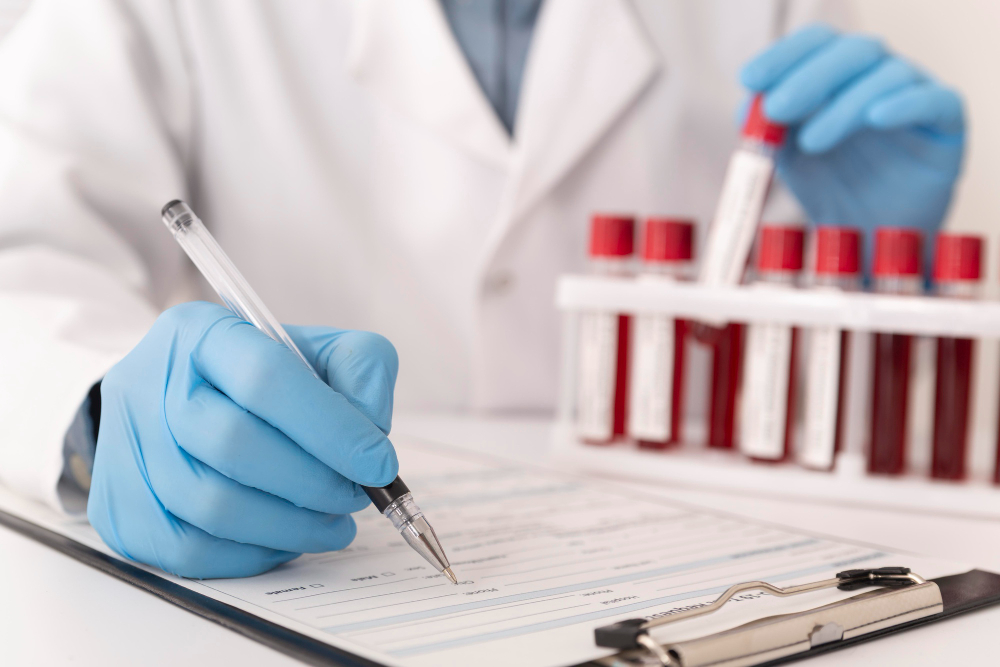
Getting a vitamin D & B12 test for senior citizens is simple. Usually, a healthcare worker will draw a small amount of blood from your arm. Here is what you can expect:
Most people feel only a quick pinch. Afterward, you can return to normal activities right away.
Interpreting Test Results
Once you get your results, your doctor will explain what they mean. Here is a simple guide:
However, these numbers may vary by lab. Always discuss your results with your doctor for the best advice.
Treatment and Management Options
If your test shows low vitamin D or B12, do not worry. There are safe ways to boost your levels. Your doctor may suggest:
With the right treatment, most people feel better quickly. But, it is important to follow your doctor’s advice.
Prevention and Lifestyle Tips for Seniors
Staying healthy as you age is possible. Here are some tips to prevent vitamin D and B12 deficiency:
By following these steps, you can help keep your vitamin levels in a healthy range.
When to Consult a Doctor
It is always wise to talk to a healthcare provider if you notice symptoms of vitamin D or B12 deficiency. If you experience fatigue, weakness, or memory problems, seek advice. Additionally, regular testing is helpful if you have a chronic illness or take multiple medications. Early action can prevent serious health issues.
Consult a healthcare specialist at Techno Labs for personalized advice on vitamin D & B12 testing. Contact Techno Labs today for expert testing and personalized health care!